
Coconut Nira: The Sweetness of Health, The Freshness of Business Opportunity

Coconut Nira: The Sweetness of Health, The Freshness of Business Opportunity

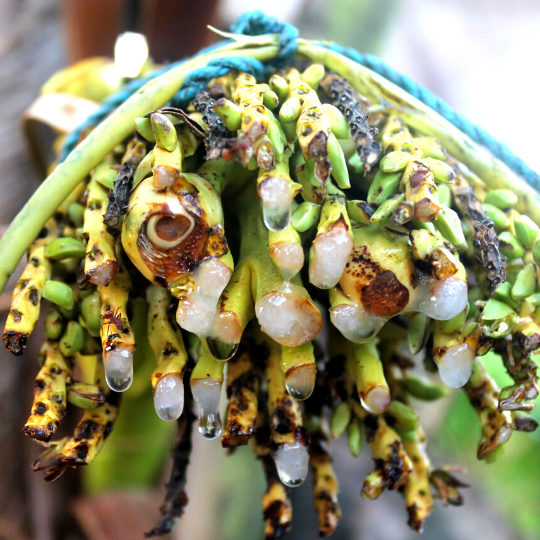
Who would have thought that a sweet liquid dripping from coconut flower clusters holds two great potentials at once: as a health drink with high nutritional value, and as a rising business commodity in the global market. Coconut nira, also known as neera, is no longer just a raw material for traditional sugar. It has transformed into a new darling in the food and health industry.

The Astonishing Nutritional Content of Coconut Nira

Coconut nira is a clear, pearly-white liquid obtained by tapping coconut flower clusters that have not yet bloomed. Its natural sweetness comes from natural sugar content, but what makes it special is its rich nutritional profile.

Research shows that coconut nira contains carbohydrates, minerals, vitamins, antioxidants, and essential amino acids. Its vitamin C content is quite high, making it an effective antioxidant source to protect body cells from damage caused by free radicals.

What most attracts researchers' attention is its low glycemic index, which is around 35. This figure is much lower than cane sugar, making coconut nira a safe choice for diabetics. Its high content of riboflavin and nicotinic acid also supports healthy energy metabolism.

In terms of minerals, coconut nira is rich in potassium (960.87 mg/L), sodium (183.21 mg/L), and magnesium (22.91 mg/L). This electrolyte content makes it a natural isotonic drink capable of replacing lost body fluids.

Health Benefits Supported by Research

Various scientific studies have revealed health benefits of coconut nira that cannot be ignored:

1. Rich in Antioxidants and Protects DNA

Fresh coconut nira is proven to be able to capture superoxide, hydroxyl, and hydrogen peroxide radicals well. Research shows that coconut nira has antioxidant activity (DPPH 23.42%, FRAP 2.09 mM/ml) higher than sugarcane juice and palm nira. These antioxidants play an important role in preventing oxidative damage associated with various degenerative diseases.

2. Lowers Cholesterol

Research from Gadjah Mada University shows that coconut nira, especially when fermented into the traditional drink badeg, has the potential to lower total cholesterol, triglyceride, and LDL levels. This makes it a heart-friendly drink.

3. Effectively Reduces Oxidative Stress

Studies on experimental animals exposed to cigarette smoke show that coconut nira fermentation filtrate is most effective in reducing Malondialdehyde (MDA) levels—a marker of oxidative stress—compared to palm nira and ental nira. This opens opportunities for coconut nira as a functional drink ingredient to protect the body from pollution and free radicals.

4. Supports Digestive Health and Detoxification

Coconut nira contains glutamic acid, one of the amino acids that make up protein which plays a role in improving digestive tract health. In traditional medicine systems, coconut nira is also known as a natural detoxifying agent that helps keep body systems balanced.

Business Opportunities: From Villages to Global Markets

Behind its health benefits, coconut nira holds very promising economic potential. Market demand for coconut nira derivative products continues to increase, both domestically and internationally.

The Rapidly Growing Coconut Sugar Market

Grand View Research estimates the global coconut sugar market value to reach US$457.6 million in 2025 and is projected to grow to US$896.7 million by 2033, with an annual growth rate of around 8.8%. Asia Pacific is mentioned as the region with the largest market share.

Indonesia, as one of the world's largest coconut producers, has a great opportunity to take part in this growth. In May 2025, the government released the first export of coconut sugar produced by a BUMDes (Village-Owned Enterprise) from Banyumas to Hungary amounting to 18.5 tons. This proves that Indonesian products are able to penetrate the European market known for its strict standards.

Healthy Lifestyle Trends Drive Demand

The growth of coffee shop businesses, contemporary drinks, and modern desserts also drives increased use of palm sugar and coconut nira in the food and beverage industry. Nira-based sweeteners have now become an important part of menu formulations for popular items, from milk coffee, latte, milk tea, to various sauces and toppings.

Business players like Palmarie market various nira-based sweetener products—from brown sugar, liquid coconut sugar, liquid palm sugar, to palm sugar powder—targeting the needs of coffee shops, cafes, contemporary drink brands, culinary MSMEs, to raw material distributors. The main challenge is not demand, but supply chain readiness and quality consistency.

Product Diversification: The Key to Surviving the Market

The success story of Adana Gula Semut from Kulon Progo shows the importance of product diversification. From initially only producing Javanese sugar, they now process coconut nira into ant sugar with various flavor variants—ginger, aromatic ginger, temulawak, to turmeric. Their production reaches 5-10 tons per month and has penetrated export markets.

Another strategy that has proven successful is shifting from bulk products to practical packaged products with clear branding. This diversification not only expands market reach but also increases added value at the farmer level.

Regeneration Challenges and Short Coconut Solutions

One of the biggest challenges in the coconut nira industry is the regeneration of tappers (nira sap collectors). Data from Banyumas shows the average age of tapper farmers is now above 60 years, and the younger generation is reluctant to continue this high-risk profession.

The solution being developed is to switch to short coconuts—a coconut variety with a height of only 1-2 meters, much shorter than regular coconuts which reach 10 meters. This makes the tapping process safer and more attractive to the younger generation. Javari, a social enterprise in Banyumas, has distributed around 1,500 short coconut seedlings to assisted farmers to maintain production sustainability.

Standardization: The Key to Moving Up to the Export Market

To compete in the global market, coconut nira producers need to shift from a "selling commodities" mindset to "becoming a measurable raw material supplier." International buyers not only look at price but also product specifications, completeness of certifications (USDA Organic, EU Organic, Kosher, BRCGS), document accuracy, and quality consistency.

The Central Java Provincial Government has even identified an integrated crystal coconut sugar industry investment project with an investment value of Rp9.88 billion, targeting export markets to the USA, Sri Lanka, Europe, Australia, and Japan.

Conclusion

Coconut nira is a gift that has not been fully utilized. From a health perspective, it offers a complete nutritional profile with a low glycemic index, high antioxidants, and various benefits supported by scientific research. From a business perspective, continuously growing market demand—both domestic and export—opens opportunities for business players from MSME scale to integrated industry.

The key is quality consistency, product diversification, and the ability to meet modern market standards. With the right strategy, coconut nira is not just a sweet drink, but also a path to better health and sustainable economic prosperity.
Coconut Sugar Ginger: A Natural Sweetener with a Herbal Touch

Coconut Sugar Ginger: A Natural Sweetener with a Herbal Touch

What Is Coconut Sugar Ginger?

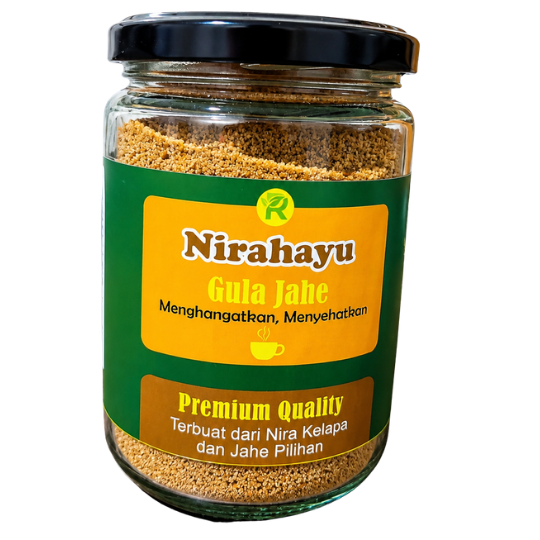
Coconut sugar ginger is a natural sweetener product that combines coconut sugar with ginger as its main herbal component. This combination produces the distinctive sweetness of coconut sugar blended with the warm, mildly spicy sensation of ginger. Unlike regular cane sugar, this product offers a richer nutritional profile because it retains the minerals and active compounds of both natural ingredients.

In Southeast Asian traditions, beverages made from coconut sugar and ginger have long been known as warming drinks and health support, especially during cold weather or when the body feels run down.

Nutritional Content and Active Compounds

Coconut Sugar

Coconut sugar is produced from the sap of coconut palm flowers through a natural heating process. Unlike refined sugar, which loses almost all of its nutrients, coconut sugar still retains various important nutrients:

  • Minerals: iron, zinc, calcium, and potassium

  • Inulin fiber: a type of soluble fiber that helps slow glucose absorption

  • Polyphenols and antioxidants: compounds that help fight free radicals

  • Low Glycemic Index (GI): around 35–54, much lower than cane sugar, which ranges from 60–65

Ginger

Ginger (Zingiber officinale) is a rhizome plant that has been used for thousands of years in traditional Chinese medicine, Ayurveda, and Indonesian herbal medicine. The main active compounds in ginger include:

  • Gingerol and shogaol: phenolic compounds with antioxidant and anti-inflammatory activity

  • Zingerone and paradol: contribute to ginger's biological effects

  • Essential oils: provide the distinctive aroma and warming effect

Herbal Benefits and Health Value

1. Significant Antioxidant Activity

The combination of coconut sugar and ginger produces a functional beverage with strong antioxidant activity. Research on rhizome extract-based drinks sweetened with coconut sugar shows that ginger formulations have DPPH antioxidant activity of 82.89%. Ginger contains gingerol and shogaol, which act as natural antioxidants, helping protect body cells from free radical damage.

2. Helps Maintain Blood Sugar Stability

Coconut sugar has a low glycemic index, partly due to its inulin fiber content, which can slow glucose absorption in the blood. Studies in diabetic animal models show that coconut sugar can help restore glucose and lipid homeostasis to normal conditions. Meanwhile, ginger is also known to support blood sugar regulation by reducing enzymes that break down carbohydrates and helping glucose metabolism.

3. Anti-Inflammatory and Pain-Relieving Effects

Gingerol in ginger has anti-inflammatory properties that can reduce inflammation-triggering enzymes in the body. Ginger is beneficial for inflammation-related conditions such as menstrual pain and arthritis symptoms. Ginger has also long been used to relieve muscle and joint pain.

4. Relieves Nausea and Digestive Disorders

Ginger is one of the best-known natural ingredients for relieving various types of nausea, including motion sickness, pregnancy-related nausea, and post-operative nausea. Ginger works by improving gastric motility and blocking serotonin receptors in the intestinal lining that trigger the vomiting reflex. In Indonesian tradition, ginger sugar drinks are believed to relieve "masuk angin" (a traditional term for feeling unwell due to cold) and reduce bloating.

5. Potential Cardiovascular Benefits

A clinical study in middle-aged and older adults showed that coconut sugar consumption for 8 weeks can reduce brachial systolic blood pressure and carotid artery stiffness, indicating potential cardioprotective effects. Ginger has also been studied for its positive effects on lipid profiles, including helping lower total cholesterol and LDL levels.

6. Warming Effect and Improved Circulation

In traditional medicine, ginger is known as a "warming" plant that can help improve blood circulation. Combined with coconut sugar, which provides quick energy, coconut sugar ginger becomes a popular choice for boosting vitality and warming the body.

How to Enjoy It

Coconut sugar ginger is most commonly enjoyed as a warm brewed beverage. Simply dissolve it in hot water and enjoy it as a warming drink and health support. Some traditional variations add other spices such as cinnamon, cloves, or cardamom to enrich the flavor and benefits.

Important Notes

Although coconut sugar ginger has various potential benefits, it is important to remember that:

  • Coconut sugar is still a source of sugar and should be consumed in reasonable amounts

  • People with diabetes should consult a healthcare professional before consuming it regularly

  • Ginger in high doses can interact with blood-thinning medications, so it is important to consult a doctor if you are undergoing certain treatments

  • The health benefits mentioned come from research on coconut sugar and ginger separately; specific research on the combination of both is still limited

Canned Coconut Sap 250ml by Yuasa Food

Canned Coconut Sap 250ml by Yuasa Food

Introduction

Coconut sap is a sweet liquid obtained from unopened coconut flower clusters. This liquid contains sugars, proteins, amino acids, and various essential minerals beneficial for health. In Indonesia, the utilization of coconut sap has long been practiced, but generally remains limited to traditional molded palm sugar products. A breakthrough in packaging and presentation of coconut sap as a modern retail product represents an important step in expanding market penetration.

Product Profile

The canned coconut sap 250ml product produced by Yuasa Food presents pure coconut sap in a practical and durable format. The 250ml can packaging was chosen because it provides optimal protection against light and oxygen, maintaining flavor stability and product quality during storage. This size is also ideal for personal consumption and easy distribution through modern retail channels.

In terms of content, fresh coconut sap is rich in phenolic compounds, flavonoids, and vitamins that act as antioxidants. Coconut sap also contains essential amino acids such as lysine, threonine, and histidine that are beneficial for health. With a low glycemic index, coconut sap becomes a better choice compared to conventional sweeteners for consumers concerned about sugar intake.

Selling Points

The canned coconut sap 250ml from Yuasa Food has several key selling points. First, this product presents coconut sap in a practical form without eliminating its natural nutritional value. Consumers can enjoy the benefits of coconut sap without the hassle of tapping or processing it themselves. Second, the can packaging provides a longer shelf life compared to fresh coconut sap, which is highly susceptible to fermentation. Third, as a retail product, the 250ml format makes it easy for consumers to try and consume in controlled portions. Fourth, this product has the potential to become a healthier natural sweetener alternative, both as a food topping and beverage mix.

Yuasa Food as the Main Pioneer

Yuasa Food, founded by Mr. Trisila Juwantara, is a pioneer in developing coconut sap products for the Indonesian retail market. Starting from his experience as a former canning industry employee affected by layoffs, Trisila built this business with the vision of creating food products from local raw materials with global quality standards.

Under his leadership, Yuasa Food does not focus on just one product but continues to innovate and develop various processed products from local raw materials. Commitment to quality standards is demonstrated by obtaining various internationally recognized food safety certifications. This step has made Yuasa Food a pioneer that opens the way for packaged coconut sap products to be accepted in Indonesia's modern retail market.